Modern electric bicycles utilize two distinct technologies to translate rider input into motor assistance: cadence sensors and Torque Sensors. While both serve the same fundamental purpose, their operation and riding experience differ significantly. The Tundra's advanced torque sensing system exemplifies how this technology delivers more efficient power delivery and extended range compared to traditional cadence-based systems.
Understanding Cadence Sensors
Magnet-Based Pedal Detection
Cadence sensors operate using a simple magnetic disc attached to the crankset paired with a stationary sensor. When the pedals rotate, the sensor detects passing magnets, signaling the motor to engage. This system only recognizes pedal movement, not the actual force applied by the rider, creating distinct performance characteristics.
How It Works
• Magnetic disc with multiple magnets rotates with cranks
• Stationary sensor detects each passing magnet
• Motor engages after 1/4 to 1/2 pedal rotation
• Power level set by assist mode (typically 1-5)
• No measurement of actual pedaling force
Riding Experience
• Slight delay when starting from stop
• Consistent power output at each assist level
• Allows "ghost pedaling" with minimal effort
• Often paired with throttle for instant power
• More affordable implementation
Torque Sensor Technology
Precision Force Measurement
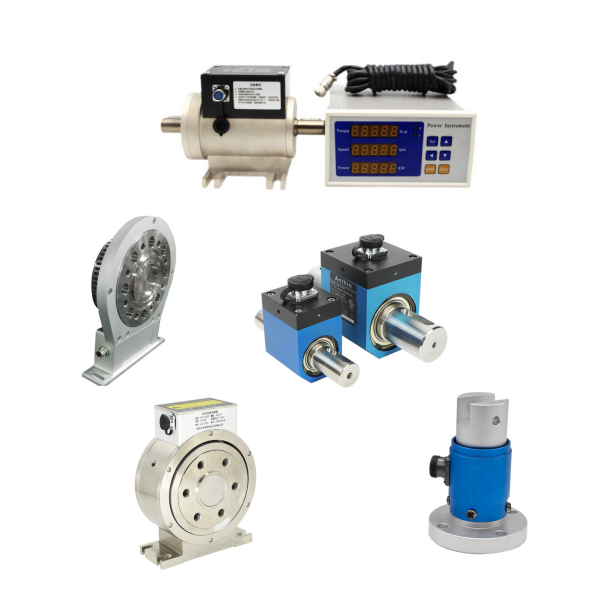
Unlike cadence sensors, torque sensors measure the actual force applied to the pedals through sophisticated strain gauge technology. The Tundra's system detects minute deformations in the bottom bracket area, translating pedal pressure into proportional motor assistance for a more natural riding experience.
Technical Operation
• Measures force rather than just rotation
• Uses strain gauges or other force sensors
• Instantaneous response to pedal pressure
• No minimum rotation required
• Proportional power delivery
Performance Benefits
• Immediate power when starting
• Motor output matches rider effort
• More efficient battery usage
• Extended range per charge
• Natural bicycle-like feel
Range Advantage: The Tundra's Torque Sensors system can increase range by 15-25% compared to cadence sensor bikes by precisely matching motor output to rider input, eliminating wasted energy from unnecessary power delivery.
Head-to-Head Comparison
| Feature |
Cadence Sensor |
Torque Sensor |
| Power Activation |
After partial crank rotation |
Instant with pedal pressure |
| Power Control |
Fixed by assist level |
Proportional to pedal force |
| Energy Efficiency |
Standard |
15-25% more efficient |
| Riding Feel |
Artificial assistance |
Natural amplification |
| Ghost Pedaling |
Possible |
Not possible |
| Throttle Compatibility |
Common |
Less common |
| Price Point |
More affordable |
Premium cost |
Choosing the Right System
Ideal for Cadence Sensors
• Riders prioritizing affordability
• Those who want throttle option
• Casual riders who prefer less effort
• Situations requiring consistent power
• When carrying heavy loads uphill
Ideal for Torque Sensors
• Performance-oriented riders
• Those seeking natural bike feel
• Riders wanting maximum range
• Fitness-focused electric biking
• Technical terrain navigation
Technical Note: High-end torque sensors like those in the Tundra utilize the same strain gauge technology found in industrial measurement equipment, providing exceptional accuracy and reliability in varying riding conditions.
About Sino-Inst
Sino-Inst specializes in precision measurement technologies including the torque sensors that enable advanced ebike pedal assist systems. Their expertise in strain gauge applications and force measurement contributes to the development of more efficient and responsive electric bicycle components.
