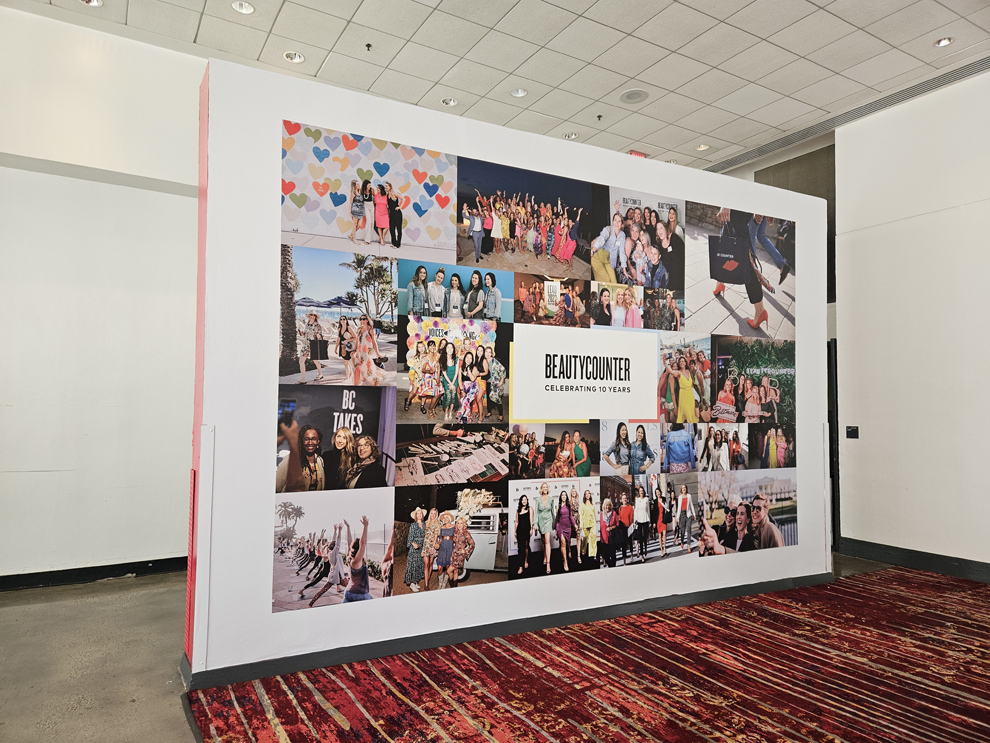
In today’s fast-paced corporate environment, the design and functionality of office spaces extend far beyond aesthetic appeal. Modern offices are increasingly leveraging signage as an essential tool not only for guiding employees and visitors but also for reinforcing brand identity and creating a seamless, professional experience. Among these solutions, directional signs have emerged as a critical element in workplace design. In Washington DC, where offices range from bustling government agencies to innovative private enterprises, Directional Signs Washington DC play a vital role in navigating complex interiors while enhancing the overall brand experience.
The Role of Directional Signs in Modern Offices
Directional signs serve a fundamental purpose: helping individuals find their way within a workspace efficiently. Modern office layouts often feature multiple floors, conference areas, communal spaces, and specialized departments, making it easy for newcomers to feel disoriented. Directional signage provides clarity and ease of movement, ensuring that employees, clients, and visitors can navigate the office with confidence.
Beyond functionality, these signs also communicate a sense of professionalism and attention to detail. A well-placed, visually appealing directional sign conveys that an organization values order, efficiency, and a positive visitor experience. In addition, they are an integral component of a comprehensive wayfinding strategy, seamlessly guiding individuals from entry points to meeting rooms, restrooms, and exit routes.
Enhancing Branding Through Directional Signs
Directional Signs Washington DC are not just utilitarian; they also offer a unique opportunity for reinforcing brand identity. By incorporating brand colors, logos, and design elements into signage, businesses can subtly yet effectively convey their corporate image. This approach ensures that visitors perceive consistency and professionalism at every touchpoint within the office.
Heritage Signs & Displays, a prominent provider of office signage solutions, emphasizes the importance of integrating branding into directional signage. Their designs often balance aesthetics and functionality, ensuring that signage is easy to read while aligning with the company’s brand image. Incorporating materials such as acrylic, brushed metal, or high-quality vinyl adds a modern, sophisticated touch to office interiors, further enhancing the overall brand presence.
Materials and Design Choices for Directional Signs
Modern offices often choose from a wide range of materials and design options to ensure that directional signage complements the workspace environment. Some popular materials include:
Acrylic: Durable and sleek, acrylic signs provide a polished, contemporary look suitable for high-traffic areas.
Metal: Aluminum and brushed metal signs convey a professional, high-end feel and are ideal for executive offices and reception areas.
Vinyl and Laminates: These materials allow for customizable graphics, vibrant colors, and ease of maintenance.
Design considerations also extend to typography, iconography, and lighting. Clear, legible fonts combined with universally recognized symbols enhance readability. In addition, backlit or illuminated signs can improve visibility in low-light areas while adding a touch of elegance.
Strategic Placement for Maximum Effectiveness
The effectiveness of Directional Signs Washington DC relies heavily on strategic placement. Signs must be positioned at key decision points, such as hallway intersections, elevator lobbies, and stairwell exits. This ensures that individuals can navigate complex office layouts without frustration or delays.
Moreover, the consistency of sign placement throughout the office enhances the overall user experience. A well-planned wayfinding system reduces confusion, increases efficiency, and minimizes the need for employees to provide directions repeatedly. When signage is consistently branded and thoughtfully positioned, it contributes to a cohesive and welcoming office environment.
Integrating Technology with Directional Signage
In addition to traditional signage, many modern offices are integrating digital solutions to enhance wayfinding. Interactive kiosks, digital screens, and QR code-enabled signs provide dynamic directions and real-time updates for meetings, events, or office layout changes. Combining traditional Directional Signs Washington DC with these technologies ensures that offices remain adaptable and responsive to evolving needs.
Digital signage also supports accessibility, offering features such as text-to-speech and adjustable contrast to accommodate individuals with visual impairments. By prioritizing inclusivity in wayfinding, offices create a more welcoming environment for all visitors and employees.
Benefits of Directional Signs in Office Spaces
The advantages of well-designed directional signage in modern offices extend beyond navigation:
Improved Visitor Experience: Clear wayfinding reduces stress and frustration for first-time visitors.
Operational Efficiency: Employees spend less time providing directions, allowing them to focus on their core responsibilities.
Brand Consistency: Signage that reflects company colors, logos, and design language strengthens brand recognition.
Enhanced Safety: Directional signs can guide individuals toward emergency exits and safety zones during critical situations.
Professional Aesthetics: High-quality signage contributes to an organized, visually appealing workplace.
Tailoring Directional Signs to Office Needs
Every office has unique requirements based on its layout, industry, and clientele. Directional Signs Washington DC can be customized in numerous ways to meet these specific needs. For example:
Corporate Headquarters: Focus on sleek, branded signs that reflect a professional, high-end image.
Government Offices: Prioritize clarity and accessibility, ensuring that public visitors can navigate efficiently.
Co-Working Spaces: Incorporate modular signage that can be easily updated as office configurations change.
By assessing office layouts, visitor patterns, and branding goals, organizations can create a cohesive wayfinding strategy that addresses both functional and aesthetic considerations.
Sustainability and Modern Signage
Many offices are also considering the environmental impact of their signage choices. Modern directional signs often utilize eco-friendly materials such as recycled aluminum, sustainable vinyl, and low-VOC inks. Heritage Signs & Displays promotes environmentally conscious solutions that align with corporate sustainability goals without compromising quality or appearance.
Choosing the Right Signage Provider
Selecting a reputable signage provider is crucial for successful implementation. Heritage Signs & Displays, with years of experience in Washington DC, combines design expertise with manufacturing excellence. They guide clients through every stage of the process, from initial consultation to installation, ensuring that each directional sign meets the highest standards of quality and functionality.
For organizations looking to explore comprehensive sign solutions, it is beneficial to Click Here to learn more about professional signage services. This resource provides insights into various signage options, materials, and design strategies tailored to office environments.
Conclusion
Directional signs have evolved from simple navigational aids into powerful tools for enhancing workplace functionality, aesthetics, and brand identity. In the bustling business environment of Washington DC, Directional Signs Washington DC provide clarity, efficiency, and a polished professional image that benefits both employees and visitors.
By partnering with experienced providers such as Heritage Signs & Displays, offices can implement signage that combines practicality with brand reinforcement, creating a cohesive and inviting workspace. Businesses can explore options by visiting Wayfinding Signs to view examples and learn about customization possibilities.
Investing in thoughtfully designed directional signage not only improves navigation but also communicates a commitment to quality, professionalism, and brand consistency—qualities that are essential in today’s competitive corporate landscape.