In the realm of industrial automation and procedure control, the significance of precise measurement and noticing innovations can not be overstated. From keeping track of liquid levels to managing flow prices and pressure problems, numerous instruments like ultrasonic level sensors, differential pressure transmitters, inline flow meters, and torque sensors play important duties in making certain operational effectiveness and safety and security in varied applications.
Ultrasonic level sensors are vital for non-contact measurement of fluid levels, supplying accurate readings without altering the medium’s features. Using high-frequency sound waves, these sensors can spot levels in open containers or closed vessels, making them appropriate for a variety of substances, consisting of water, chemicals, and fuels.
Differential pressure transmitters are integral to determining pressure differences in between 2 factors in a system. These tools transform pressure variations right into an electric signal that can be easily monitored and examined. The working principle behind differential pressure transmitters frequently involves the use of a diaphragm that bends in action to pressure variations, converting these modifications right into a measurable output. This innovation is specifically noticeable in level measurement applications, where it establishes the level of liquids in tanks with hydrostatic pressure computations.
Discover torque sensors how precise measurement and sensing modern technologies, such as ultrasonic level sensors, differential pressure transmitters, and flow meters, play a critical role in improving operational efficiency and safety and security in industrial automation and procedure control.
Flow measurement innovations likewise encompass a wide variety of devices to deal with differing measurement needs. Inline flow meters provide real-time data concerning the flow price of fluid or gas, while magnetic flow meters use electromagnetic principles to determine conductive liquids without moving components, making sure lasting dependability and low upkeep. A clamp-on ultrasonic flow meter offers a non-invasive service for flow measurement by making use of ultrasonic waves transmitted via the pipe wall, perfect for scenarios where modifications to existing piping needs to be stayed clear of.
Turbine flow meters are another popular alternative, acknowledged for their accuracy and capability to deal with a series of flow prices efficiently. Their efficiency might demand routine calibration to maintain precision, particularly in dynamic or high-variation flow atmospheres. This demand for calibration accentuates the value of tool maintenance, which can frequently be assisted in by working with experienced flow meter vendors and representatives.
Additionally, different kinds of pressure sensors offer unique objectives based upon their style and underlying technology. Absolute pressure sensors measure pressure relative to an excellent vacuum, supplying vital information in applications where high accuracy is vital. Conversely, vacuum pressure sensors are crucial in systems that need monitoring of stress below ambient climatic degrees. Recognizing the different pressure sensor types can aid industries choose the appropriate innovation for their certain process requirements.
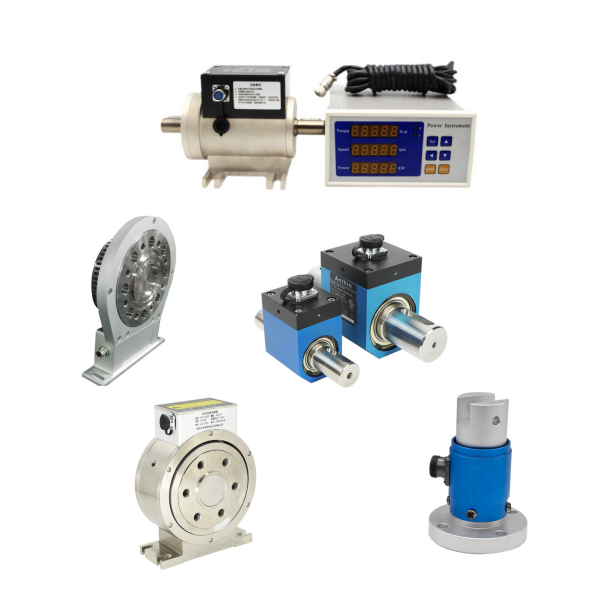
In numerous industrial applications, particularly those including fluid handling, torque sensors are important for gauging the torque used to revolving systems. Rotary torque transducers focus on non-contact measurement, supplying high precision while lessening mechanical wear and ensuring extended service life. As systems come to be increasingly automated, the integration of these sensors into control systems improves efficiency and product top quality by enabling real-time responses and adjustments.
As we dig much deeper right into the elaborate world of flow meters, it’s important to highlight the particular advantages of tools like rotameters, which are commonly utilized for their simplicity and capability to handle tidy and clear liquids. These variable area flow meters operate the principle of buoyancy, permitting straightforward visual flow indicator through a float within a tapered tube. Their fundamental design and functionality have actually protected an unfaltering location in numerous industrial settings, particularly in lab and small-scale applications.
An additional crucial facet of liquid management is assessing fuel degrees in storage tanks, specifically diesel tanks. Diesel tank level indications can supply crucial insights relating to gas degrees, aiding prevent unexpected scarcities and assisting in better supply management. Oftentimes, these level measurement technologies can be integrated with other systems to automate supply chain operations, enhancing both precision and effectiveness.
When going over flow metering modern technologies, it’s important not to neglect the environmental and functional conditions in which they are utilized. High-temperature pressure transmitters, for instance, are created to withstand severe operating temperature levels in oil and gas applications, therefore making certain exact pressure measurement without efficiency destruction. In a similar way, hydrostatic level sensors take advantage of the pressure exerted by the weight of a column of liquid to offer level dimensions, showcasing their flexibility across different liquid types and processe.
Involving with trustworthy flow meter suppliers and pressure transmitter producers is important for organizations seeking to apply these solutions efficiently. Trustworthy vendors and distributors offer comprehensive support, making sure that consumers not just pick the best devices but additionally receive calibration, installment, and maintenance assistance. This all natural technique can bring about minimized downtime and improved operational efficiency, which are vital goals for any type of industrial procedure.
Discover how accurate measurement and noticing innovations, such as ultrasonic level sensors, differential pressure transmitters, and flow meters, play an essential function in boosting functional effectiveness and safety and security in industrial automation and procedure control.
Ultimately, selecting the right measurement and control technologies is vital for enhancing industrial procedures. The marketplace provides a myriad of options, each suited for certain applications across various industries, whether it be water therapy, drugs, petrochemicals, or food and beverages. As developments in innovation remain to progress, these sensors and transmitters will just boost their capacities, even more helping sectors in achieving higher standards of efficiency and accuracy.
For organizations wanting to remain affordable, spending in sophisticated measurement technologies need to be a priority. Assessment of flow meter types, pressure sensor types, and the benefits offered by ultrasonic level sensors or magnetic flow transmitters will certainly make it possible for a more educated decision-making process. Recognizing the working principle of numerous gadgets guarantees not just exact measurements, but likewise the implementation of finest techniques tailored to distinct industrial contexts.
To conclude, as industries significantly depend on innovative systems for liquid administration and process control, the duty of measurement technologies like ultrasonic level sensors, differential pressure transmitters, and torque sensors comes to be increasingly noticeable. Working successfully with relied on flow meter vendors and makers, companies can harness progressed instrumentation to maximize their operations, making sure accurate measurement, improved performance, and raised safety requirements. By embracing the power of these technologies, markets can confidently browse the intricacies of their procedures, attaining an unified equilibrium in between performance and top quality.
