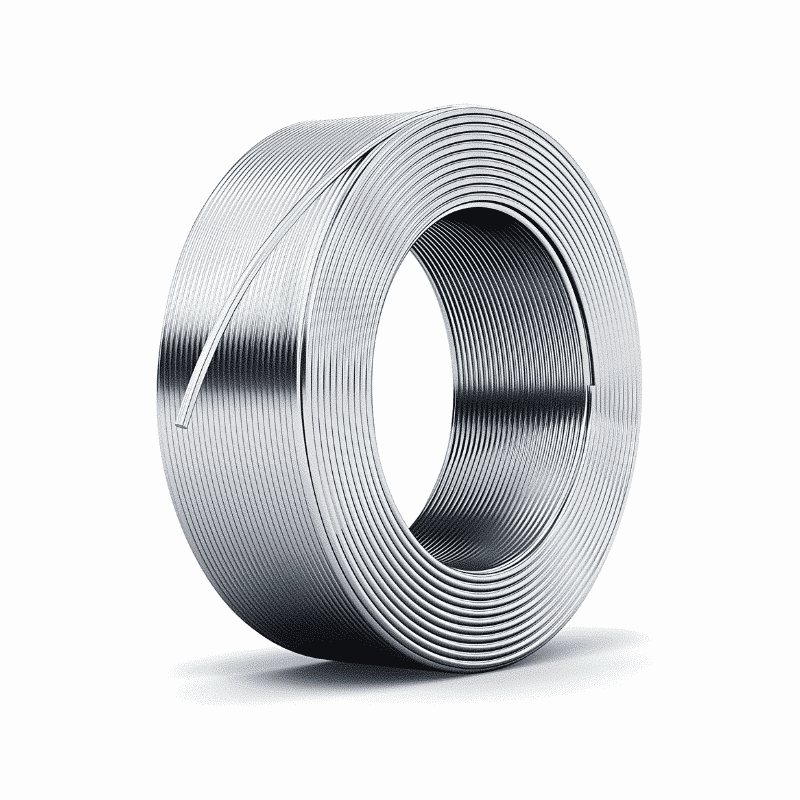
Aluminum is one of the most singular materials formation the Bodoni world. Lightweight, corrosion-resistant, and endlessly utile, this euphonious metallic element plays a crucial role in industries ranging from aerospace to promotional material. Yet few people empathize the complex work that transforms raw minerals deep within the Earth into the sleek aluminum components base in aircraft, smartphones, and unremarkable household products. The manufacturing of aluminum is a triumph of modern font technology, alchemy, and sustainability, representing a hone intermingle of cancel resources and homo cleverness.
The story of atomic number 13 begins with a naturally occurring ore titled bauxite. Found mainly in hot and subtropic regions such as Australia, Guinea, Brazil, and Jamaica, bauxite is a cerise-brown rock rich in aluminium oxide minerals. Unlike other metals that can be directly extracted from their ores, aluminium requires a more complex work on because it binds tightly with O. Bauxite typically contains 30 to 60 aluminium oxide(aluminum oxide), along with impurities like silicon dioxide, iron oxides, and Ti . The take exception for manufacturers lies in analytic pure aluminum oxide from these impurities, which is the first vital step in Al production.
The work of refining bauxite into aluminium oxide is known as the Bayer Process, developed by the Austrian chemist Karl Bayer in 1888. In this method acting, bauxite is first crushed and interracial with a hot root of Na hydroxide. This caustic soda dissolves the alumina , separating it from the inexplicable impurities known as red mud. The red mud is filtered out and stored, while the root containing liquified alumina is cooled and seeded with atomic number 13 hydroxide crystals to boost hurriedness. The resultant aluminium oxide is then washed, dry, and hot to transfer irrigate, producing a fine white powderise that serves as the raw stuff for aluminium metallic element.
Once pure aluminium oxide has been extracted, it must undergo a second Major transformation: smelting. The work on used to convert aluminum oxide into metallic-looking Al is called the Hall H roult work, revealed severally in 1886 by American chemist Charles Martin Hall and French direct Paul H roult. This electrolytic condenser process cadaver the of atomic number 13 product today. The aluminium oxide is liquid in liquefied cryolite, a rare stuff that lowers the thaw point of Aluminum alloy oxide and enhances conductivity. A mighty electric car flow is then passed through the melted solution, causation atomic number 13 ions to migrate to the , where they are low to molten metal. At the same time, atomic number 8 is discharged at the anode, combining with carbon paper to create carbon paper dioxide. The melted Al, being denser, collects at the bottom of the cell and is sporadically siphoned off for molding.
This smelting process requires large amounts of up to 15 kW-hours per kilogram of Al produced. For this reason out, Al smelters are often set near galore and affordable sources of major power, such as electricity plants. The dependance on makes aluminium one of the most vim-intensive metals to produce, but it also drives invention in vitality and inexhaustible integration. Many modern font facilities now use high-tech technologies to tighten emissions, reuse heat, and employ inexhaustible power sources, aligning aluminum product with international sustainability goals.
After smelting, the liquified aluminium is cast into various forms depending on its deliberate use. Common molding methods include producing vauntingly ingots, billets, or slabs, which are later pronounceable, extruded, or imitative into finished products. Alloying elements such as magnesium, copper, zinc, or silicon are often added to ameliorate potency, corrosion underground, or other mechanical properties. The resulting atomic number 13 alloys are improbably various, serving as the spine of unnumerable applications. In the automotive industry, for illustrate, aluminium reduces vehicle slant and improves fuel efficiency. In aerospace, it provides the perfect of lightness and lastingness needful for aircraft structures. Even in workaday life, atomic number 13 is present in promotion, twist materials, and consumer .
Beyond its technical versatility, aluminum s superior strength lies in its recyclability. Unlike many other materials, aluminum can be recycled indefinitely without losing its properties. Recycling aluminium requires only about 5 of the vim necessary to produce new metal from bauxite, qualification it one of the most environmentally friendly materials in existence. This has led to a healthy global recycling industry, where scrap aluminium from used cans, old vehicles, and heavy-duty waste is gathered, liquid, and reintroduced into the production . The closed-loop nature of Al recycling not only conserve cancel resources but also importantly reduces carbon paper emissions.
As engineering science advances, Al manufacturing continues to develop toward greater efficiency and sustainability. Innovations such as inert anode applied science, which eliminates carbon paper emissions during electrolysis, and whole number monitoring systems that optimize vitality use, are push the industry toward a cleaner time to come. Moreover, as worldwide for jackanapes and sustainable materials increases, Al stands poised to play an even more considerable role in the passage to green technologies. From electric car vehicles and inexhaustible vim systems to modern font computer architecture and space , aluminium remains at the spirit of advance.
In , aluminum manufacturing represents a remarkable journey from raw material to Bodoni font wonder. It encapsulates man s ability to harness the through skill and engineering, transforming a park rock into one of the most remarkable materials of our age. The write up of atomic number 13 is not just about metallic element production it is about conception, sustainability, and the on-going request to build a brighter, ignitor hereafter.