Category Archive Pets

寵物移民流程全攻略

當我們提到寵物移民,很多人可能會覺得這是一個繁瑣且充滿挑戰的過程。然而,隨著全球化的發展,越來越多的人選擇攜帶他們的寵物一同移居到新的國家。雖然每個國家對寵物入境的要求不同,但只要事前做好準備,確保符合各項規定,這個過程也可以變得相對簡單。

首先,最重要的一步就是了解目的地國家對寵物的入境規定。這些規定通常會涵蓋許多方面,包括疫苗接種、健康證明、檢疫要求等。以美國為例,寵物狗或貓必須有有效的狂犬病疫苗接種證明,並且需要在抵達之前進行微晶片植入。而對於某些國家,可能還需要提供專業的健康證明,證明你的寵物沒有傳染性疾病或寄生蟲。

在確定了目的地國家的基本要求後,接下來要考慮的是寵物的健康狀況。為了確保寵物在長時間的飛行中不會受到過度的壓力或生病,建議在出發前帶牠去動物醫院進行健康檢查。此外,一些國家可能要求寵物進行特定的疫苗接種,如狂犬病、貓白血病、犬鉤端螺旋體等。因此,及時與專業的獸醫溝通,確保寵物的健康狀況達到要求非常關鍵。

接下來需要考慮的是如何選擇適合的航班。不同航空公司對寵物的政策不同,有些航空公司會提供專門的寵物艙位,而其他航空公司則會將寵物放入貨艙。選擇合適的航空公司不僅要考慮寵物的安全,還要注意航班的長短以及中途的轉機等因素。若你的寵物比較小,有些航空公司甚至提供可以攜帶上機的選項,但這通常會有重量和尺寸的限制。

除此之外,了解目的地國家的入境檢疫政策也是十分重要的。有些國家對於從特定國家或地區進口的寵物有較為嚴格的檢疫要求,這些寵物可能需要在抵達後接受一定時間的隔離檢疫。在某些情況下,如果沒有事先做好準備,寵物可能無法入境,或者需要在檢疫期結束後才能與主人團聚。因此,了解檢疫程序以及檢疫所需的時間表對於計劃行程非常重要。

在準備好所有必要的文件和措施後,還需要關注的是寵物的運輸條件。寵物在長時間的飛行過程中可能會感到焦慮或不安,因此選擇合適的寵物運輸箱非常關鍵。運輸箱必須符合航空公司的要求,並且要確保內部空間足夠,讓寵物可以自由轉身。此外,在箱子裡放置一些熟悉的物品,如牠最喜歡的玩具或毯子,也能幫助緩解寵物的焦慮。

最後,當你的寵物成功抵達目的地後,仍然有一些後續工作需要處理。例如,根據當地的法律,可能需要重新注射一些疫苗,或者進行健康檢查。有些國家還會要求主人報備自己寵物的身份信息,並註冊在當地的動物管理系統中。

總的來說, 加拿大寵物入境 並不像表面上看起來那麼困難,只要提前做好準備,了解相關的法律法規,並確保寵物的健康和安全,這個過程是完全可以順利完成的。隨著對寵物移民需求的增加,許多專業的寵物遷徙服務公司也提供了全面的協助,幫助主人解決繁瑣的手續和流程。如果你計劃帶著寵物一起移民,記得從早期規劃開始,確保每一個細節都得到妥善處理。

Choosing Quality Cat Food For Healthy Cats

WOpet Heritage View Automatic Pet Feeder
Introduction

Choosing quality cat food is one of the most important decisions you can make for your cat’s long-term health.

Your cat starts your day by purring while jumping joyfully through the living room where their coat presents a bright shine in sunlight. A healthy cat shows signs of happiness that extend beyond being cute because they confirm its good state of health.

The fundamental substance that creates health in cats resides in the nutritional choices you make for them. Cats develop into members of families who share our homes. Living pet cats operate as vibrant elements that give our households a boost when they maintain good health through active movements.

The foundation of their well-being exists in what food they consume just like in human beings. When cats consume nutritious food it benefits their immune response and digestion system and also controls how they feel and maintain energy levels.

Low-quality food consumption leads to multiple serious health complications throughout the years which include organ damage and dull coat conditions. In this article, we will find suitable cat food through ingredient uation and certification verification.

Why the Right Food Matters

Many common health problems in felines can be prevented by choosing quality cat food that meets their nutritional needs. For a healthy diet, you need the best feeders like WOpet’s automatic feeders that we suggest to all pet owners.

The animal-based protein digestion function that their bodies possess rejects plant-based protein sources. High-quality cat food must begin with meat of good quality.

The necessary nutrient for cats is protein. Protein in their diet enables cats to build firm body muscles while maintaining their energy and helping their immune system perform optimally.

Carbohydrates along with taurine stand as two prominent nutrients since cats lack the ability to generate taurine independently. Body issues such as heart complications together with vision loss and reproductive problems result when cats do not have enough taurine in their diets.

Cats require essential fatty acids that include Omega-3 as well as Omega-6 fatty acids to maintain proper skin health while keeping their coat shiny. Bones and nerves require vitamins and minerals together with other essential nutrients that assist biological functions throughout the body.

Your cat's health will suffer from the consumption of inferior quality food because it causes their coat to look dull and their immunity weakens along with digestive issues that could eventually result in permanent organ injuries. The cost of treatment at the vet along with diminished quality of life becomes necessary due to food-related medical issues.

Cats given proper nutrition tend to exhibit higher levels of playfulness as well as affectionate behavior together with physical activity.

Far from being invisible the state of their health affects their personality alongside their behavioral patterns and keeps their presence joyful in your household. Selecting appropriate food for your cat involves more than providing meals since it directly impacts their life duration.

What’s Inside the Bag? How to Read and Understand Cat Food Labels

WOpet Heritage

Pets stores typically offer an overwhelming variety of different cat foods for their customers to select from. Whether shiny or plain the packaging does not matter more than the information found on the label. Reading the ingredient list serves as the main tool for selecting suitable cat foods.

Proteins

You must begin the uation process by investigating the proteins used in the food. A cat food product begins with clear animal protein sources which include beef, chicken, fish, and turkey.

Accurate product indications of chicken or salmon provide reliable quality markers. Look for meat by-products or animal digest on the label because these terms indicate untrustworthy food sources for your cat. The given terms represent uncertain components containing non-nutritive parts from animals.

The percentage of crude protein found on the label should be examined. The specified protein content percentage indicates the amount of protein found in the food although it fails to provide complete nutritional information. A high percentage is usually favorable provided the sources maintain their nutritional value.

When choosing quality cat food, always look for clear animal-based protein sources listed first on the label.

Carbs

Cats require a minimum amount of carbohydrates when selecting their food. Whole grains and vegetables provide beneficial carbohydrates yet large quantities of carbohydrates become damaging for a cat's health.

The production of inexpensive cat food includes adding bulk with low-value ingredients that include corn and wheat gluten or soy. Foods containing fillers will not provide essential nutrition while potentially resulting in weight gain along with allergic reactions.

WOpet Heritage View

Animal proteins and fats make up for better digestion in cats rather than carbohydrates. The consumption of limited fiber amounts from sweet potatoes or peas benefits digestion processes in cats.

Avoid fillers and excess carbs when choosing quality cat food, as they can lead to weight gain and sensitivities.

Fats

The consumption of fats matches a need in cats so they can be considered completely safe. The search for healthy fats should focus on either chicken fat or fish oil products.

Fish oil and Omega 3 fatty acids in this food contribute to skin health as well as producing a shiny and luxurious fur coat for your cat. The brain function benefits from Omega-3 fatty acids while these fats minimize inflammation in the body.

Choosing quality cat food with healthy fats like fish oil helps support brain function, skin health, and coat shine.

Vitamins and Minerals

Your cat needs various vitamins together with Vitamin A, Vitamin D, calcium, and phosphorus among other mineral elements in their diet. The “complete and balanced” label on cat food demonstrates that manufacturers added a healthy nutritional combination to their products.

Caution must be used when consuming cat food with excessive synthetic vitamins because whole food sources provide better nutrients.

Ingredients to Stay Away From

The diet should avoid cat foods containing artificial colors, flavors or preservatives. Health problems have been recorded from specific ingredients BHA, BHT or ethoxyquin. Foods with confusing meat ingredients combined with numerous unknown fillers should be avoided.

Understanding Cat Food Certifications: What They Are and Why They Matter

WOpet Automatic Pet Feeder

Product certifications provide us with assurance about standard compliance. AAFCO certification confirms that cat food provides balanced nutrition along with satisfactory security measures for our pet animals.

The identification of various certifications requires thorough uation since they offer different levels of agreement about product quality. Certifications like AAFCO help guide pet owners in choosing quality cat food that meets essential nutrient standards.

The Role of AAFCO

AAFCO stands out as one of the leading organizations which monitors pet food standards worldwide. AAFCO establishes regulation requirements that numerous pet food manufacturers use for building their products though the organization does not conduct testing or provide approval for specific offerings.

Many cat food packages display AAFCO standards through statements such as “This food is formulated to meet the nutritional levels established by the AAFCO Cat Food Nutrient Profiles.”

The food meets cat nutritional requirements after passing through lab testing (formulation method) and/or community animal feeding study testing (feeding method).

The feeding trial method offers better accuracy in assessing how cats react to actual food consumption due to real-life observation results. Both testing approaches serve to confirm the food will supply essential nutrients when fed as the primary source of sustenance to cats.

Other Global Certifications

A combination of USDA Organic along Non-GMO labels can be found in U.S. or European markets. The attached labels indicate organic origins and free-from-genetic modification characteristics in food ingredients that certain pet owners select because of health or ethical motives.

Besides ethical sourcing credentials and sustainable fishing certificates, certain pet food manufacturers are included to appeal to eco-sensitive purchasers.

More Than Labels: What Else You Should Consider Before Buying Cat Food

WOPET HV10DP

Since each cat possesses unique characteristics the feeding formulas effective for one feline might not correspond with the needs of another. As a result, you need to look past just the labels and certifications.

Consider Your Cat’s Age and Activity

The nutritional needs of growing cats differ from those of older cats since cats require additional calories and nutrients but require reduced calories and joint health support for senior cats. Active cats may thrive on protein-rich food whereas indoor cats should get nutrition for their weight management needs.

Your vet should provide you with a specific diet plan which is necessary for cats with health problems including allergies kidney disease and sensitive digestion.

Your cat’s age, lifestyle, and health conditions should always be considered when choosing quality cat food.

Wet or Dry Food?

The moisture content in wet food serves as a benefit for cats who do not consume enough water. People find dry food practical while it stays fresh longer than other food types. Most domestic cat owners blend nutrient-rich wet food with dry food.

Switch Food Slowly

The transition to new food requires a gradual process extending for 7–10 days while you mix the old and new food amounts each day.

Add minimal amounts of new food to existing meals while daily increasing the ratio between old and new ingredients. This helps prevent digestive upset.

Watch Your Cat’s Response

Observing your cat's behavior should be your top priority immediately after changing their dietary intake. Are they more playful? Is their coat shinier? The change affects their energetic levels and their digestive health positively.

Signs indicating the food works well include increased activity levels and enhanced curiosity and shininess of the coat. Changes in behavior together with vomiting and diarrhea should you that the product needs to be replaced.

Conclusion

Selecting the right cat food represents an understanding of what your cat demands as opposed to being influenced by brand names or promotional taglines.

Start by reading labels carefully. Seek pet food containing actual animal proteins together with a balanced nutritional value that displays official certifications under the AAFCO label.

Evaluate your cat’s current age together with their general condition and their levels of physical activity. You should devote adequate time to introduce your cat to any new foods.

Choosing quality cat food means going beyond marketing and focusing on what truly supports your cat’s energy, health, and happiness.

Resource: Choosing Quality Cat Food For Healthy Cats

How Much to Feed Your Cat? A Complete Cat Feeding Guide

WOpet Heritage Air
Introduction

Do you frequently doubt whether your pet cat receives the proper food quantity? You’re not alone! Quite frequently owners of cats begin to wonder about their pet's food consumption as they ponder between excessive feeding and adequate portions.

Feeling unclear about the various types of cat food along with scheduling and conflicting advice is common. The correct portion size for a cat exceeds basic bowl provisioning twice per day.

Eligible weight maintenance coupled with disease protection forms the basis of proper feeding for your cat and it ensures sustained vitality levels.

Your cat’s health potential along with their happiness depends heavily on feeding them the correct quantity no matter their life stage whether young cat relaxed adult or relaxed senior.

In this guide, we will provide complete information about how much to feed your cat.

Why Proper Cat Feeding Amounts Matter

Cats need their portions measured correctly since the matter extends past basic logistical concerns. Your cat will accumulate extra weight from overfeeding thus leading to multiple serious health issues.

The health problems developed by obese cats include diabetes together with arthritis and heart disease. Such eating habits lead cats to lose their energy levels and decrease their lifespan duration. Although chubby cats have a charming appearance their health condition declines substantially.

You need to feed your cat in inadequate quantities also produces harmful effects on their health. A cat's lack of essential nutrients alongside insufficient calories will result in malnutrition.

Your cat shows signs of fatigue constantly along with subtle changes in the color and texture of their fur as well as more frequent illnesses because their body fights weaker than normal.

Normal feeding based on your cat's size creates beneficial outcomes such as healthy bones and muscles together with a prosperous personality and vibrant coat.

Your cat will experience both longer and more comfortable life expectancy when you feed your cat appropriately throughout their lifetime. A properly fed cat maintains excellent physical health.

Key Factors Influencing How Much to Feed Your Cat

WOpet Heritage Air

Age

The quantity of food your cat requires depends greatly on its current age. The rapid development of cats comes with abundant amounts of energy. The growing requirements of cats correspond to their need for a higher calorie intake similar to how infant humans need more food compared to adults.

Small portions divided throughout the day work best for cats in their eating habits. A cat requires specific food designed for their age since it contains vital nutrients that support their healthy growth process. We recommend you to get WOpet’s automatic feeders so you don’t have to worry about manual feeding habits.

Your adult cat experiences a decrease in growth while changing their feeding requirements. The lack of growth demands in adult cats makes continuing their cat-feeding portions dangerous because it could trigger weight gain. You need to feed your adult cat twice daily alongside regular mealtime consistency.

Cats considered seniors typically reach this status when they reach age seven and above. Eating becomes difficult for them because dental problems arise or their reduced activity level causes them discomfort.

Several senior cats experience weight loss since their movement decreases but weight gain happens to others because their reduced activity levels result in increased food intake. The food they require should have reduced firmness or better digestibility for their needs.

Weight and Body Condition

Cats need more uation than their weight indicates since their physical condition and their overall appearance matter equally. Any person can perform body condition checks on their cats from home. Use light strokes to examine their sides.

The ribs should be easily noticeable through gentle touch. Your cat may be overweight because its ribs remain easily detectable to touch.

Take a look from above. A visible waist defined by a thin area should be visible behind the ribs when you observe your cat from the side. A careful examination from the side should reveal a mild indentation at their belly region.

A healthy weight can be recognized through visible tucking in their waist and ribs. A round belly without a waist shape indicates your cat carries too much weight. Your understanding of your cat's perfect body condition enables you to feed your cat properly.

Activity Level

A cat's food requirements depend largely on their physical activity level. Due to reduced physical movement indoor cats only require lesser food amounts.

Breeds like Bengals and Abyssinians along with outdoor cats naturally consume more energy than other cats requiring greater food amounts. When it comes to indoor cats there exists a wide variance in their playful nature between different individuals.

WOpet Heritage Air Smart Pace Feeder For Two Cats

Eligible for bigger meals are cats who demonstrate playful actions such as intense jumping and continuous movement but these ration requirements don't fit cats who maintain a calm disposition. The amount of food you provide your cat should directly align with their everyday activities.

Type of Food (Dry vs. Wet vs. Raw)

Your choice between different foods creates distinctions that affect your outcomes. Dry feline food contains more dietary energy than wet food because significant parts of its nutritional value come from the water content.

The quantity of energy inside a small scoop is very high. Wet food consists of greater amounts of moisture and charges fewer calories in comparison to dry food. Your cat can obtain additional calories without weight gain since dry food contains less water content.

The trend toward raw diet consumption is increasing in popularity. Such diets contain excess protein and calories but you must develop specific plans to satisfy your cat's nutritional requirements. The process of picking raw or homemade diets requires both reading feeding instructions and consulting with your vet.

All owners must verify the contents specified on each food package. Different brands along with their food types display distinct feeding advice.

Health Conditions

Health problems affecting some cats require them to follow particular dietary requirements. The stable blood sugar management needed by diabetic cats requires a specific diet.

A low-protein diet should be provided to cats dealing with kidney disease. You need to seek specific formulas that contain no particular ingredients when dealing with allergic cats.

Always remain updated about your cat's medical issues according to guidelines from your veterinary provider.

Providing improper feeding quantities or meals can worsen the health status of your feline friend. A professional will guide you in selecting appropriate foods and the correct amount to feed your cat.

How Much Food is Too Much for Cats?

WOpet Smart Pace Feeder For Two Cats

The tendency to feed excessive amounts to cats remains an easy occurrence particularly when they free-feed or consume high-calorie dry food.

The gradual or sudden loss of activity combined with weight gain in your cat can indicate they are consuming more food than their body needs. The evidence from too many calories tends to accumulate until it causes obesity in the long run.

The signs that your cat is consuming excessive food include half-eaten meals followed by weight gain or a bulging abdomen where their ribs are difficult to detect. Around-the-clock napping along with continuous eating becomes a sign that your cat consumes more food than its body needs.

The decision to reduce food consumption and introduce scheduled meals should be considered when you need to refill the food bowl multiple times in a day or your cat demonstrates continuous snacking habits.

The most effective method to determine overfeeding is through systematic weight checks along with body condition assessments.

How Many Times a Day Should Cats Eat?

Cats under development require frequent meals because of their fast growth rate. Most adult cats need three to four meals distributed each day for suitable nutrition. The tiny size of their stomach prevents them from consuming large portions at one time so they need steady food sources.

Adult cats thrive when their food is present two times per day during morning and evening hours. Regular meals serve to manage their hunger while maintaining a regular routine. You will need to provide training to feed your cat as changing to scheduled eating can assist in weight management.

Dental problems together with reduced appetite require senior cats to consume smaller meals more often throughout the day. Make sure your pet consumes sufficient food amounts and adjust their food portions according to their daily food intake at each meal.

Consistency stands as the main priority during this process. Your cat's regular mealtime events should match each other daily to create familiar patterns. Assessing your cat's eating habits becomes easier through scheduling their meals because the abrupt cessation of appetite needs immediate veterinary attention.

Nutritional Needs: Calories, Protein, and More

Pet cats require food containing the correct amounts of calories along with their necessary nutrients. Cats need meat for survival because their body type requires an obligate carnivorous diet, unlike dogs.

Adult cat dietary needs amount to about 200 to 300 daily calories based on their adult size and physical activity level. The calorie requirement is higher for active histamine cat breeds and lower for smaller senior felines but sometimes reaches 500 calories weekly when they experience growth phases.

WOpet HA10DP

The main protein content should dominate the diet. Seek out pet food products with chicken, turkey, or fish as their main animal protein sources. Pick foods with minimal addition of waste products including corn wheat along with soy.

Fats are also important. These nutrients power the body and promote the health of both brain tissues and fur coats. An appropriate amount of fat content in a cat's diet plays a vital role but when combined with protein and caloric intake it should not cause weight gain.

The nutritional requirement for carbohydrates remains low for cats. Numerous feline patients succeed on diets that contain fewer carbohydrate-based elements. The fewer the fillers, the better. The digestive system benefits from fiber but a minimal amount is necessary especially when treating hairballs in indoor cats.

Conclusion

Choosing the correct amount of food stands as the main responsibility of any cat owner. It extends beyond feeding a bowl because you should observe and choose wisely along with adjusting portions as your cat develops.

Feed your cat by following guidelines then monitor their physical shape before adjusting portions if necessary without hesitation so that you can seek veterinary assistance when doubtful. You can seek veterinary guidance in case you feel doubtful about anything. Following the best approach will permit your cat to live healthfully, contentedly, and at your side until they reach old age.

Resource: How Much to Feed Your Cat? A Complete Cat Feeding Guide

Can Cats Drink Milk? The Truth About Feline Lactose Intolerance

Introduction

Spending an afternoon nap with your cat becomes perfect when warm sunlight streams into the room alongside their peaceful body placement next to you. You prepare a glass of milk then your cat suddenly rises from their rest to drink from the small dish of milk you offer them.

Throughout our lives, we have seen this particular scenario multiple times in written stories books as well as cartoons. The impression exists that cats should have milk as an ideal companion.

But is that really the case? Can cats drink milk without health risks, or is it just a myth passed down through generations?

Man has long believed milk serves as a special reward that both cat owners and their pets would appreciate. The actual situation proves to be intricate in nature.

Most cats will drink milk because of its tasty flavor but their digestive systems cannot process the lactose effectively. The reason behind this lies in the condition of lactose intolerance.

By understanding lactose intolerance you will be able to select proper food choices that protect your cat from digestive health problems. In this article, we explain how cats require nutrition and if milk serves any dietary function for them.

The Nutritional Needs of Cats

When uating a cat's dietary needs, many still ask: Can cats drink milk as part of their routine? As obligate carnivores cats need to consume animal proteins to live since their bodies cannot survive on any other nutrients. Evolution has transformed cats into meat-driven animals because their biological makeup demands such a food source.

Their body design allows them to digest proteins along with specific fats and limited nutrition elements that exist only in animal flesh.

Cats require taurine as their vital amino acid since it serves essential roles for maintaining their heart condition and eyesight alongside reproductive activities. Since taurine production falls short in cats their meal choice of mainly meat provides the necessary nutrient intake.

WOpet Ceramic Wireless Pet Water Fountain

Feline nutritional requirements also include arachidonic acid (a fatty acid) together with vitamin A and vitamin B12 which can only be found in animal sources.

The dietary requirements of carbohydrates for cats exist at minimal levels. Human bodies differ from feline bodies because cats do not need carbohydrates to obtain their energy. Cats need protein and fat as their main fuel sources when processing nutrients for energy production.

The role of milk stands unclear when looking at these dietary requirements. The indulgence of milk by cats remains an unproductive dietary choice because they require different essential nutrients than what milk offers.

To fulfill the nutritional needs of your cat, you should get one of the WOpet’s automatic feeders.

The Lactose Intolerance Issue in Adult Cats

kitten drinking milk from the bottle

A key reason to ask 'Can cats drink milk' is understanding their decreasing lactase production after kittenhood. The reason milk is unsuitable for your pet cat extends from lactose as an element in milk. The natural sugar compound known as lactose exists in milk as a natural substance.

Two smaller sugar compounds compose the molecule known as lactose: glucose and galactose make up this substance. The digestion of lactose needs the enzyme lactase to break down the sugar because bodies lack this ability.

All cats possess the natural enzyme needed to break down the milk sugar lactose. The production of lactase in the body becomes abundant while kittens breastfeed.

The enzyme present in their bodies enables kittens to break down lactose found in maternal milk which allows them to absorb essential nutrients during initial weeks of life.

A cat’s body starts decreasing lactase production at the end of weaning around 6 to 8 weeks of age. The reduction of lactase production at this stage of life constitutes typical and normal development. A mother's milk-drinking period ends because cats no longer require large lactase levels to digest dairy products.

The absence of sufficient lactase in adult cats causes lactose intolerance to develop whenever they consume dairy products and milk. The digestive system of such animals becomes unable to break down the lactose contained in milk.

The lactose which the body has not broken down stays inside the intestines while pulling water and starting to ferment. The absence of lactase in the system results in multiple uncomfortable symptoms that appear.

Lactose-intolerant cats show symptoms of vomiting, diarrhea, and stomach discomfort together with gas and bloating. The reaction levels to milk differ between cats because some experience minor symptoms yet others face major symptoms. Lactose sensitivity levels alongside the quantity of milk consumption determine the extent of symptoms that develop in affected cats.

Why the Misconception About Cats and Milk?

The long-standing belief that can cats drink milk is often fueled by pop culture, not science. The fact that milk proves harmful for felines makes it puzzling why humans consistently believe it benefits their cats.

Through multiple generations, people have accepted that milk plays an important role in cats' well-being. The popular representation of cats enjoying bowl milk appears in animated cartoons classic films and various children's literature.

People who dwelled on farms together with barn cats regularly shared their milk supplies with their feline companions during the previous era. The animal owners considered this dairy-top cream as a special snack for their barn cats who probably enjoyed it.

The availability of milk together with its convenience as a food source was typical during those times. The health benefits for the cats did not justify the use of milk as their preferred nourishment.

The combination of milk smell and its fatty content attracts feline animals. Cat owners often provide milk to their animals although their pets cannot fully grasp the difficult digestion process which leads them to prefer its attractive smell and taste.

The natural attraction between cats and milk likely contributed to maintaining the belief that milk is a preferred snack.

The Impact of Different Types of Milk on Cats

cat drinking milk from the cup

Before you pour a bowl, consider this: Can cats drink milk from cows without digestive issues? Each milk product comes with unique characteristics yet adult cats should avoid some types that pose potential dangers for their health. An uation of different types of milk together with their effects on feline bodies requires deeper examination.

Among the milk options available to humans Cow’s Milk stands as the primary choice and exists with three different fat concentrations: whole, 2%, and skim.

Both whole and skim cow's milk along with other versions contain high lactose levels which create digestion problems for adult feline bodies. Small portions of milk cause digestive issues and diarrhea in feline stomachs.

People tend to view Goat's Milk as a nutritious replacement for normal dairy milk. The lactose content of goat's milk remains lower than in cow's milk while some cats might tolerate it better when consumed.

The small amount of difference between lactose levels does not provide sufficient safety for most feline digestive systems. Even so, the milk carries potential risks for digestive upset in adult cats.

Animal milk such as sheep's milk together with goat's milk contain lactose quantities resembling those in cow's milk. The result of these unsuitable milk options will trigger identical symptoms affecting adult cats.

Lactose-Free Cow’s Milk presents itself as an apparent risk-free alternative to regular milk. Building or removing lactose from animal milk solutions reduces its ability to trigger digestive distress in felines.

Specialty pet stores stock lactose-free cat-friendly milk for purchase to pet owners. These milk options are better alternatives compared to regular products but fall short of optimal standards.

Safe and Healthy Alternatives to Milk for Cats

Even with lactose removed, the question remains—can cats drink milk alternatives and still stay healthy?

The top pick for your cat should always be water that is fresh and without contamination. Your cat must have continuous access to the water source. You should use either pet water fountains or regular bowl cleaning because cats demonstrate selective behavior regarding their water consumptions. Regular maintenance ensures higher water consumption.

WOpet Basin Pet Water Fountain

The moisturization needs of your cat can be met sufficiently by providing wet cat food. The meal offers both rich fluid content and full nutritional value. The product is a superior hydration and health choice compared to giving your cat milk.

You can find healthy but appetizing treats designed for cats in the market that use safe ingredients. Selected cat treats feature creamy textures that replicate milk experience yet lack the digestive problems.

Small pieces of basic cooked fish or meat can be an appropriate food option for your cat as long as seasonings and sauces are excluded. The foods match their natural food intake better while providing gentler stomach conditions.

Conclusion

The answer to 'Can cats drink milk' is mostly no—prioritize safe hydration and species-appropriate nutrition instead.

Most adult cats cannot safely drink milk even though many people view cats sipping milk as a soft and recognizable sight. Cats commonly cannot process lactose properly thus milk intake triggers unfavorable gastrointestinal reactions.

Your cat should receive fresh water and nutritionally complete food together with explicitly designed cat treats rather than receiving milk. Choosing proper food supplements alongside water will help your cat maintain their health without causing discomfort.

The begging eyes your cat shows during cereal time only proves that they need proper food designed for their unique digestive system. The foundation of achieving cat health stems from fully comprehending their genuine dietary requirements together with their non-nutritional elements.

Resource: Can Cats Drink Milk

Top 6 Egyptian Cat Breeds: History, Personality, and Characteristics

Egyptian Cat Breeds

For ages, the story of cats has slunk from mythology into the land of culture and everyday life in Egypt.

In antiquity, cats were revered not merely as pets but as logistical defenders, emblems of the deity, and sympathetic friends.

In ancient times, cats were sacred animals; they were considered more than just pets and as sacred guardians, emblems of the goddess, and loving companions.

British Egyptian cat breeds continue to enthrall their fanciers by merging ancient wonder and fascinating traits in their unique forms. This article mainly focuses on their history, characteristics, and personality.

History and Cultural Importance of Egyptian Cats

About 1500 BC, Egyptian cats first became domesticated (in civilization). Their ancestors were the African wildcats Felis silvestris lybica.

They were the companions, guardians of granaries, and the men against poisonous snakes. The goddess Bastet-mother, usually represented as a lioness or a domestic cat, had apparent protection with fertility and thus made the cat sacred to her.

Mummified cats made their way into tombs bedecked in jewelry to signify their elevated rank.  

Almost all modern Egyptian cat breeds trace their ancestry to Egypt because of their ancient history; genetic analyses have proven that all domestic cats, some referred to as Egyptian cat breeds, have common ancestors with the wildcats found in North Africa. Selective breeding concerned pure Egyptians with diverse genetic backgrounds.

European Cat Breeds

1. Egyptian Mau
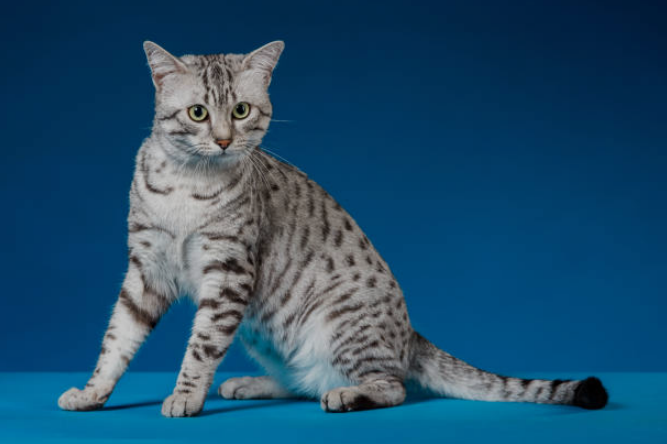
Egyptian Mau

The Egyptian Mau is the only surviving breed directly linked to the ancient Egyptian civilization." Temple paintings and inscriptions dated before 1550 B.C. show that they were temple pets and resembled modern Egyptian Maus.


The "mau" is a name that has directly come down to us from the ancient Egyptian name for cat. In North America, just after World War 2, Russian Princess Nathalie Troubetskoi imported this breed and began protecting it from potential deterioration.


There are likely around 7,000 registered cats worldwide, including it, some of the rare cat breeds' finest specimens.


They have the following physical characteristics:

● Coat: Short, silky, and spotted; unique among domestic breeds.  

● Color: Colors are silver, bronze, smoke, or black.  

● Eyes: Gooseberry-green, large, and almond-shaped.  

● Build: Medium-sized and muscular, incorporating a flap of skin to the knee.


Egyptian Maus are loyal and fun animals, strongly bonded with only one individual. They are the best athletes among all the cats.


They can run very fast, with a speed covering 30 Mph, and jump to a height of about 6 feet in a single jump. They are very vocal birds, chirping and trilling, and enjoy a good bath.


They are very easy to care for; brushing them once a week is plenty.  Their diet includes high-protein food to fuel their energy. The Automatic Feeder will help you feed this lively breed.  Plenty of tall cat trees and puzzle toys.  


They are prone to luxating patellas and some urinary issues; therefore, regular vet check-ups are necessary.

2. Nile Valley Egyptian Cat
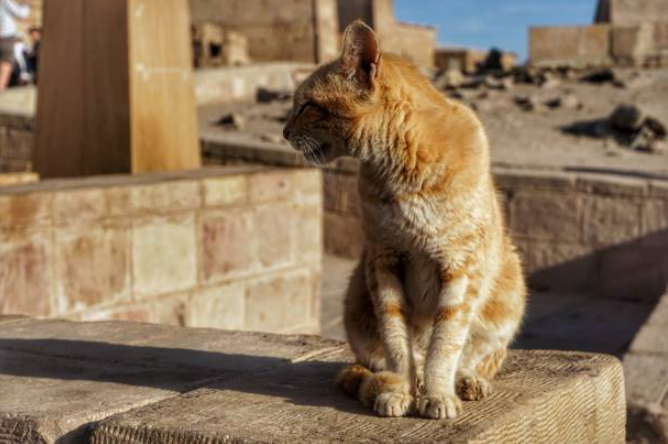
Nile Valley Egyptian Cat

Since the breed is that rare Egyptian cat confused with the Mau, we believe it traces its descent directly from the wildcats.


These feral cats reside on the streets of Egypt, their lives threatened by local attempts to eradicate them. The Nile Valley Egyptian Foundation rescues and rehouses them, preserving their name as a "missing link" in the domestication timeline.  


They have the following physical characteristics:

● Coat: Short- to semi-long with spotted or marbled patterns.  

● Colors: Bronze, black, silver, or smoke.  

● Eyes: Amber or green in wild almond shape.  

● Build: Slender and athletic, resembling their wild ancestry.  


With enough time to get acquainted, they built trust and gave affection. Nile Valley cats are curious and intelligent but shy away from strangers.


They avoid new surroundings to avoid excessive skittishness.  They eat Quality kibble supplemented with lean protein. They need weekly brushing using the Self-Cleaning Brush, which can help minimize shedding.  


They are doing well, though deworming and immunization will be very important for these rescued cats.

3. Chausie  
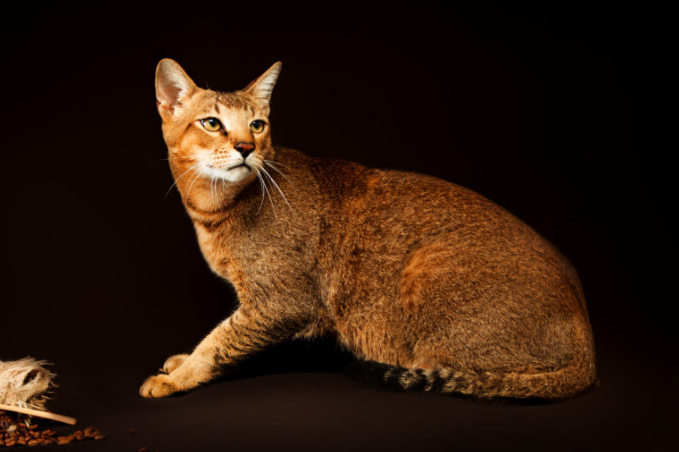
Chausie

People have known the large domesticated Mesoamerican cat born in Egypt's jungle as Chausie. They have regarded and even "mummified" these cats as sacred to the ancient Egyptians by having them buried alongside their owners.


The modern Chausie cat is a breed that has existed since the 1990s but was included on TICA's list only this year.


They have the following physical characteristics:

● Fur: Short, harsh, and dense ticked hair banding.  

● Colors: Black, brown, or silver tabby.  

● Eyes: Ranges from golden to hazel.

● Build: Muscular cats from 15 to 25 pounds with a height of about 19 inches at shoulder level.


Intelligent, fun, and highly interactive, Chausies love to play in the water, and we train them to walk on a leash. They are energetic feline beasts that need entertaining.


They play daily and interact. You can buy toys and accessories for them.


They are most suited to raw or protein-rich feeding that imitates a natural diet.

They play best outdoors or in large indoor spaces.


They have a sensitive stomach, so we suggest grain-free.


Breeds That Are Often Misidentified as Egyptian

1. Abyssinian
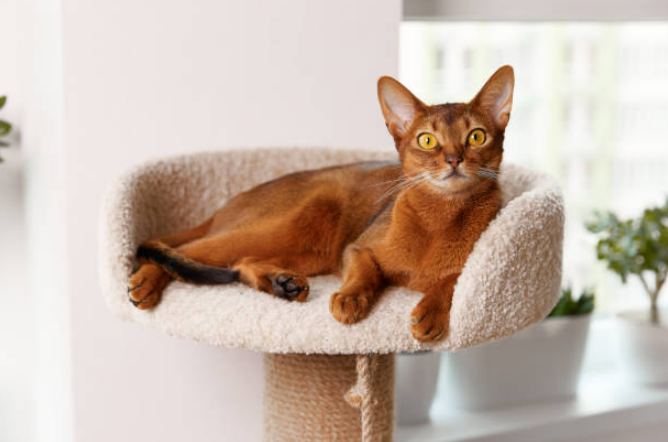
Abyssinian

They are an alleged association with Egypt. The coat is ticked, the eyes are almond-shaped like those of some ancient art, and the DNA trace shows origins in Southeast Asia. The name comes from Abyssinia, as modern Ethiopia, with a cat named Zula brought in 1868 by British soldiers.


They have the following physical characteristics:

● Personality: Social, playful, and mischievous.  

● Care: Regular grooming, provided with mental stimulation.  

2. Sphynx
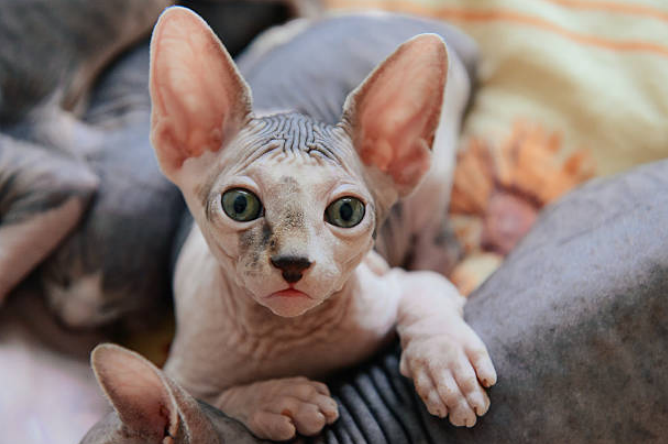
Sphynx

They are also known as the hairless cats. In 1966, a breed developed out of Canada that came to be known as the Egyptian Sphynx, but their hairlessness was no product of a long ancestry. Instead, a mutation caused the breed to be created.


They need the following care tips:


They need weekly bathing to reduce oil buildup. They need to wear sweaters in cold weather.  

3. Savannah
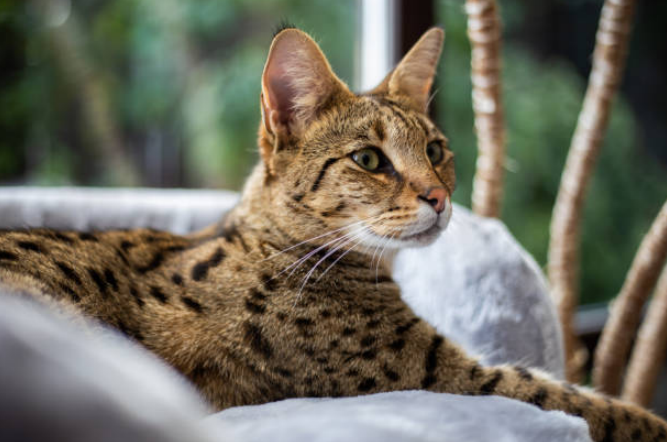
Savannah

They are the modern hybrid. Sauntering between Servals(wild cats traded in ancient Egypt), Savannahs are big Egyptian cat breeds only in looks.


When bred with domestics, early generations (F1-F3) retained wild attributes like bold markings and a love for water.  


They need the following care tips:


● Enrichment: Safely secure outdoor areas or a catio.  

● Diet: High-protein and low-carbohydrate meals.  


How To Care For Egyptian Cat Breeds

Grooming, exercise, and environment are individual requirements of each breed.

The Sphynx needs a bath once a week with a gentle shampoo without hair. It makes oils from the skin come out on the surface. They need bathing to remove that extra oil.


The long-haired Shirazi needs grooming every day to avoid the coat from rolling into knots; else, horror of horrors, matting.


Short-haired spotted Egyptian Mau and Abyssinian cats need brushing lightly once every week to maintain health and minimize shedding. They need space for exercising and interacting with people.


Good playthings for play with all cats and spaces for them must be developed and used exclusively for climbing. Sooner or later, a big hypercar will need more activities for a beautiful character like Chausie or Savannah. You can buy various toys and accessories for them.


The habitats mentioned above, including those of excellent grooming tools, well-balanced nutritious diets, and relatively enriched environments, are required for these beautiful and intelligent beings in the house to maintain good health and a happy life.

Conclusion

Egyptian cat breeds are more than just striking in appearance, they carry history in every graceful step. Whether it’s the quicksilver elegance of the Egyptian Mau or the wild, statuesque beauty of the Chausie, these cats thrive with thoughtful, breed-specific care.

More than affection, they need structure. Balanced nutrition, mental engagement, and a space that respects their energy and intelligence are essential. That’s where the right tools make all the difference.

WOpet helps make that care easier. From automatic feeders that keep mealtimes on track for active breeds like the Savannah, to self-cleaning litter boxes that simplify routines in busy homes, every product is designed to support your cat’s health and happiness. Interactive toys and smart accessories add the enrichment these ancient souls crave.


FAQ Section

1. What are the rarest Egyptian cat breeds?

The Egyptian Mau (7,000 registered) and the Nilotic-Breed Egyptian Cat (feral and rescued) rank first among rare breeds.  

2. What is the price range for Egyptian cat breeds?**  

The price range for Egyptian cat breeds is as follows:  

Mau: $800–$2,500.  

Chausie: $1,000–$5,000.  

Savannah: Up to $20,000 for F1 hybrids.  

3. Did ancient Egyptians have hairless cats?

The hairless cats do not have any ancestral connection with the cats that belonged to Egypt.

Resource: Egyptian Cat Breeds
